Seamless Rides
Best Practices Spotlight
This is our most recent Best Practices Spotlight article. Please see the left-hand navigation for a list of additional articles.
Seamless Rides
A Practitioner’s Guide to DRT Data Standards and What They Mean for Your Agency
Your dispatcher takes a call from a rider who needs transportation to dialysis three times a week. She’s Medicaid-eligible and already in your system. She’s a regular. But when she moves to a new county and calls the transit agency there, she starts from scratch: new paperwork, new eligibility verification, new everything. Her history doesn’t follow her.
Or consider this: a rider searches for transportation on a smartphone app, but your service doesn’t appear, even though you serve that exact area. So he calls a cab instead, or skips the appointment.
Or this: you and the transit agency one county over could easily share trips and save money for both of you. But handing off a trip means a phone call, a re-entry into their system, and a hope that nothing gets lost. So you mostly just don’t bother to coordinate.
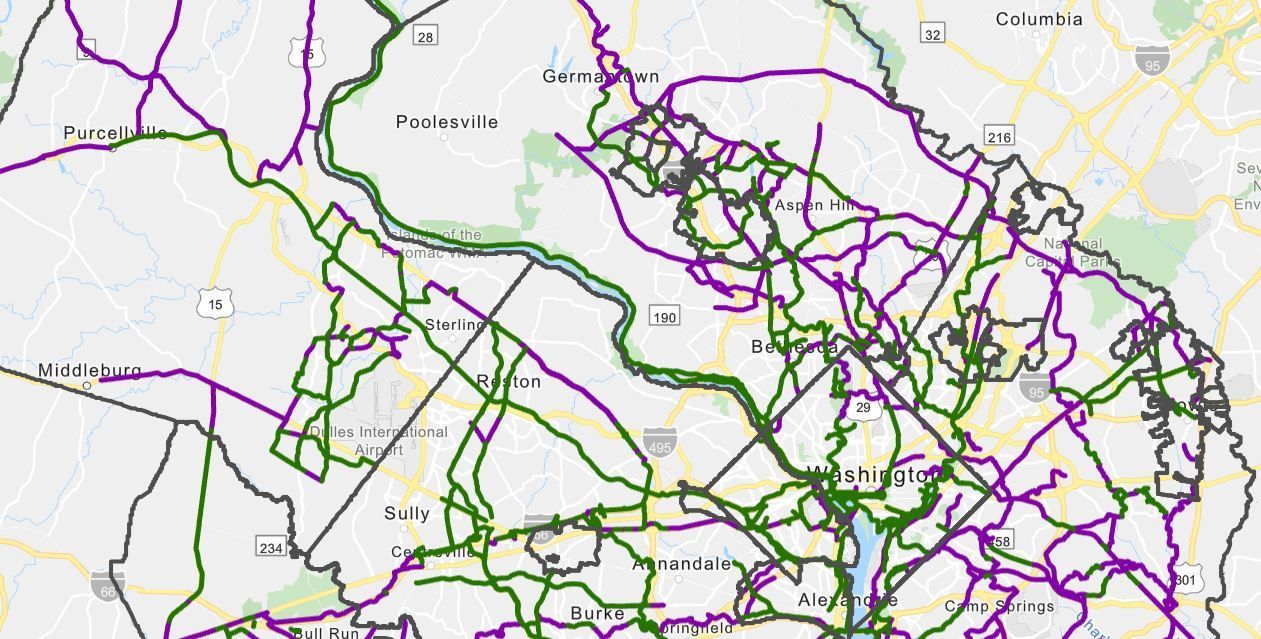
None of these are failures of your agency. They are symptoms of a much larger issue: the systems that are used to run demand-response transportation (DRT) were built at different times, by different companies, for different purposes, and they were never designed to talk to each other. Many rural agencies have general public DRT. A rider’s eligibility, trip history, and service options can’t move freely between systems the way they should to efficiently provide necessary transportation services.
A community of researchers, State DOTs, transit agencies, and national organizations including National RTAP is working to fix that. They are writing or supporting shared rulebooks, known as data standards, that define a common language to exchange digitized information. This article explains where that work stands, what it means for rural and small-urban agencies, and what practical steps you can take right now.
Heading
Placeholder Text
Heading
Placeholder Text
Heading
Placeholder Text
Heading
Placeholder Text
About the Authors:
Santosh Mishra
Santosh is the President & CEO of Flexlynqs, a mobility innovation firm he has founded. For the last 2 decades, he has worked closely with hundreds of public sector agencies in digital transformation at the intersection of planning, policy, technology, and data. In addition, Santosh has led R&D of several next generation USDOT-funded transportation concepts, particularly focused on regional integration and coordination. He chairs the Transportation Research Board (TRB) research panels on AI in Transit operations and Transit Innovation (IDEA), and is a member of the panel on Fare Collection Policy and Technology. He also co-chairs USDOT/ITE MAT-RSD Subcommittee developing standards for flexible transportation. Further, Santosh is an internationally recognized leader in intelligent transport and serves as the ANSI-designated US delegate to ISO Technical Committee on Intelligent Transport: TC 204 where he is leading the development of multiple international standards, and has been appointed Convenor for Working Group on Public Transport and Emergency ITS (WG8).
Al Benedict
Al Benedict joined the National Rural Transit Assistance Program (National RTAP) team as the Technology Tools Lead and the Community Rides Grant Manager in 2025. As the Technology Tools Lead, Al works to understand the transit and technology needs for rural and Tribal agencies to help identify right size solutions and implementation frameworks. This work centers on National RTAP's technology tools and identifying and developing new resources to support rural and Tribal transit. Al also oversees the Community Rides Grant program, which is aimed at building and strengthening local transportation partnerships and the capacity of rural transit programs, increasing access to critical needs like employment, healthcare, education, healthy food, social services, or recreation.


A program of the Federal Transit Administration administered by the Neponset Valley TMA


National RTAP is committed to making this website accessible to persons with disabilities. If you need assistance accessing any content on our website or need alternative formats for our materials, please contact us at info@nationalrtap.org or 781-404-5020.